
My Biography - The Pak trekker
In the heart of rural Punjab, nestled amidst the fertile fields of Minchanabad, a young boy named Shabbir Ahmad was born into a humble family. From a young age, Shabbir exhibited an insatiable curiosity about the world beyond his village borders, his spirit yearning for adventure and exploration.
Shabbir's father, a former homeopathic doctor, had ventured into the world of agriculture, nurturing the land with his hands and providing for his family's needs. Inspired by his father's entrepreneurial spirit, Shabbir embarked on his own venture in the 8th grade, buying rice from local farmers and selling it to factories. This early exposure to business instilled in him a sense of independence and a thirst for success.
After completing his intermediate studies in the medical field, Shabbir enrolled at Islamia University Bahawalnagar. However, the university's rigid academic structure failed to ignite his passion. The allure of the unknown, the thrill of the unexplored, beckoned him towards a path less traveled.
In 2020, Shabbir decided to embrace his adventurous spirit and launched a YouTube channel, determined to share the wonders of the world with his audience. His first journey took him to Balochistan, where he captivated viewers with his travel vlogs, immersing them in the rich culture and warm hospitality of the Pashtun people.
The success of his Balochistan adventure fueled Shabbir's desire to explore further. He embarked on a solo trip to Iran, venturing into the bustling cities of Shiraz and Tehran, the historical grandeur of Isfahan, and the spiritual serenity of Mashhad. His Iranian escapade was a testament to his courage and resilience, filled with both exhilarating experiences and unexpected challenges.
Driven by an insatiable wanderlust, Shabbir set his sights on Afghanistan. However, his journey took an unexpected turn when he found himself arrested by the Taliban, spending two harrowing months in prison. This life-altering experience tested his fortitude and deepened his understanding of the complexities of the world.
Undeterred by his ordeal, Shabbir emerged from the prison walls with a renewed sense of purpose. His next adventure led him to Ethiopia, where he ventured into the depths of the jungle, immersing himself in the lives of local tribes, sharing meals under starlit skies, and forging unforgettable bonds.
Shabbir's insatiable curiosity propelled him further, taking him to the vibrant landscapes of Kenya, Uganda, and Rwanda. He embraced the diverse cultures and traditions of each country, capturing their essence through his captivating vlogs.
His nomadic spirit finally led him to Azerbaijan, where he found himself captivated by the country's rich history, breathtaking scenery, and warm hospitality. Shabbir's journey across continents is not merely a tale of geographical exploration; it is a testament to his indomitable spirit, his unwavering courage, and his unwavering belief in the power of human connection. His experiences have transformed him into a global citizen, a storyteller who bridges cultural divides and inspires others to embrace the unknown.

How to ge Ethipia e visa visa on Pakistani passport?
Here's a general guideline on how you might apply for an Ethiopian e-Visa using a Pakistan passport:
Visit the Official Website: Go to the official website of the Ethiopian e-Visa application system. You can find this by searching for "Ethiopian e-Visa" or by visiting the official website of the Ethiopian government's immigration department.
Select Your Country: Choose Pakistan as your country of nationality.
Choose Visa Type and Purpose: Select the type of visa you need (tourist, business, etc.) and the purpose of your visit.
Read Instructions: Carefully read the instructions and requirements provided on the website. Make sure you understand the documentation and other requirements for your specific type of visa.
Create an Account: You might need to create an account on the e-Visa application portal. This usually involves providing your email address and creating a password.
Fill Out the Application Form: Complete the online application form with accurate and up-to-date information. This may include personal details, travel itinerary, purpose of visit, and passport information.
Upload Required Documents: You'll likely be asked to upload scanned copies of your passport, passport-sized photographs, and any other documents required for your visa type.
Pay the Fee: Pay the e-Visa processing fee using the available payment methods. Keep in mind that fees might vary depending on the type of visa and your nationality.
Submit Your Application: After completing the application form and paying the fee, submit your application online. You will likely receive a reference or application number for tracking purposes.
Wait for Processing: The processing time for e-Visas can vary. It might take a few business days to receive a decision on your application.
Receive Your e-Visa: If your application is approved, you'll receive your e-Visa via email. Make sure to print a copy of the e-Visa confirmation to carry with you during your trip.
Travel to Ethiopia: Upon arrival in Ethiopia, present your printed e-Visa confirmation along with your passport to the immigration authorities.
How to get Afghanistan visa on Pakistani Passport || Documents required for Afghanistan visa
Aslamu Alekum guys,
i hope everything is going well
Frist of all keep in mind it`s very eaasy to get afghanistan on Pakistani passport
Documents required
1, Passport with 6 month validity
2, Colour copy of passport and ID card
3, passport size 4 pictures
4, visa application form ( which you will get from embessy )
5, 200 PKR rupay ( which may be change )
Iran E visa process is change for Pakistani passport || documents required for Iran e visa
Iran a Visa process in 2022
documents required for Iran e visa
1, visa application
2, Health insurance ( millat company ... complete address you will get from embessy)
3, Passport
4, ID Card
5, Corona vaccination card
6, visa visa
Pakistan to iran by road travel expenses report download
Pakistan to iran by road travel expenses report PDF download
click here to download
👇
Download
Iran E visa types and Eligibility
Iran E visa types
1, Entry Visa
Description : Visa for
Foreign citizens who have an invitation letter from ministries, governmental organizations, private &
public sectors,... for the purpose of
negotiating signing contracts, setting up purchased machineries,
Who can apply : ⚫ Educational & cultural Faculty members and researchers
• Common Carriers, transporting goods and people
• Officials, political, and economic members, art and sports teams, International organizations
and specialists • Internationally Recognized merchants and experts
• The United Nations employees and affiliates
• Relatives of the foreign citizens residing in iran.
Ddocument required :
1. Valid invitation
2. Visa application
3. Possible interview at the consulate
4. Passport with 6 month validity
How to get Iran nationality or settle in Iran
It is most difficult to settle in Iran. You cannot get Iranian nationality easily. First you marry an Iranian woman if you can pay 1.5 crore dowry (if you are lucky then any woman can accept less dowry also) then after marriage you must have a child from this Iranian woman when that child reach the age of 18 then he will have to join Army training for 2 years then he will have to serve the army for 1 year then your child will become Iranian national and then he can apply for your Iranain nationality. This is what I got the information for getting Iranian nationality.
Iran E Visa Application Guide and which document is required
Iran E Visa Application Guide
A few days ago I got an Iran e visa which you can see below
 How i got my Iran tourist visa
First I submitted the Iran Visa application on their Website ( https://evisa.mfa.ir/en/ ) . Then I received an e-mail with a visaapplication attached.
Should you wait for a mail after submitting the visa application?
No, you should not wait for any mail after submitting the visa application, but print the application and go to your nearest consulate or Iranian embassy.Which is you mention while submitting visa application.
One thing to keep in mind is that you must arrive at the embassy or consulate door before 9 a.m. and the embassy or consulate is closed on Saturdays and Sundays.
iran Tourist visa fees (Normal) : 8800PKR
Stay duration: 30 days
Visa arrival time: 1 week
How i got my Iran tourist visa
First I submitted the Iran Visa application on their Website ( https://evisa.mfa.ir/en/ ) . Then I received an e-mail with a visaapplication attached.
Should you wait for a mail after submitting the visa application?
No, you should not wait for any mail after submitting the visa application, but print the application and go to your nearest consulate or Iranian embassy.Which is you mention while submitting visa application.
One thing to keep in mind is that you must arrive at the embassy or consulate door before 9 a.m. and the embassy or consulate is closed on Saturdays and Sundays.
iran Tourist visa fees (Normal) : 8800PKR
Stay duration: 30 days
Visa arrival time: 1 week


Quid-e-Azam's Sister Fatima jinnah old car after restored


Faisalabad ( Lyallpur historical facts)
Lyallpur: Historical facts (Part 1)
A city which owes its development to British Empire can still see some white-robed missionaries educating generations. The confluence of eight lines, a reminder of Union Jack, drawn by Captain Young is still registered as Clock Tower and the spacious verandahs of Chenab Club where British officers relaxed still smell of Raj.
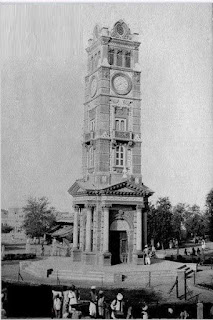 In later part of 19th Century, as British decided to develop Punjab, they resorted to irrigation system and land allotments. The gracious allocation did consider the allegiance with Raj since those who stood next to British during 1857 war, had their lands next to canals. Chenab Colony was the first name given to this settlement of Baar.
It was during this allotment that family of Master Sunder Singh Lyallpuri migrated from Jalandhar and made Lyallpuri, a part of their name. Master Sunder Singh had not only taught Sir Sikandr Hayat and Giyani Kartar Singh but was universally referred to as Master. A gifted visionary of his time, he was credited for his nationalist movement, Punjabi newspaper and a chain of public schools in remote areas of Punjab. The building of Lyallpur Sangh Sabha, near the canal was converted by him into Khalsa High School. The school eventually grew into a college and the college became an icon of Lyallpur.
After the Jallian wala Bagh incident, police arrested Master Sunder Singh and charged him for murder. Pandit Madan Mohan Malviya, the brilliant educationist and lawyer, fought his case and managed to scrap the sentence to eighteen months imprisonment at Andaman Nicobar Islands, though the fine cost him his ancestral land.
On release, he started Akali, the best-selling Punjabi daily of its time. Akali had a nationalist tone which instantly grew loud enough for the British to notice and subsequently silence it. Master Sunder was arrested and the paper was shut down for a brief period. Soon the Urdu version was also published and on Pandit Malviya’s advice, Master Sunder Singh started “Hindustan Times”, the English newspaper. Initially the financial aid from Sikhs of America provided for the paper but due to frequent official clamp downs and financial issues, it could not continue. Pandit Malviya ran the paper for a while but soon it was sold to Ghanshyam Das Birla. A congressman to the core of his heart, Master wore khaddar for most of his life, believed in complete autonomy and equal rights for minorities.
Before Partition, the city had a healthy mix of Sikh Jaats, Muslim Sheikhs, Hindu businessmen and a very limited Anglo-Indian community. This composition also shaped the economical outlook of the city. Jaats held the agrarian side, Sheikhs and the Hindus did the industry and Anglo-Indian community was busy in keeping the stiff upper lip traditions of Raj through clubs, schools and offices. While Ganesh Mill and Khushi Ram Behari Lal Mill (now known as Lal Mill) provided a lifestyle to the city and kept the city on toes during day, evenings would see Ganda Singh, a local landlord, ride his famous Tonga majestically.
The city was famous because of the eight bazaars that led to eight different locations. The bazaars initiated from Clock Tower and going outward they made smaller rings and connected the inner side of these bazaars in growing circles.
There was a time when these connecting streets were famous for gifted people instead of seedy retail shops. In one of the lanes, Fateh Ali Khan and his brothers practiced their daily regimen of Riaz, the success stories of Nusrat Fateh Ali Khan and Rahat Fateh Ali Khan were a generation away. Few houses down the road, at Barrister Khajan Singh’s Place, his daughter Teji, a lean girl with sharp features performed Keertan alongside her mother. Teji soon graduated from hymns to Shakespeare and was teaching at Lahore when she met Harivanshrai, a poet who taught at Aligarh. They married in 1941 and were blessed with a son, next year. India, those days, beamed with revolution so Teji and Harivanshrai named their son “Inqilaab”. Samatranandan Pant, a poet friend convinced the parents to change the name. He suggested something more meaningful, ”Amitabh Bachan”.
Two phenomenal buildings stood on both ends of Thandi Sarak, District Jail and Agriculture College on one end and Chenab Club on the other end. Outside the city, fame had come to Bhagat Singh and the son of Dewan Basheswarnath, a police sub inspector.
And after 1947, it was never the same. Many prosperous families migrated and surnames like Khanna, Chawala and Maggoo were lost in the junkyard of memory, much like the disused articles in attic.
With new found freedom, Lyallpur woke up to its commercial side and within years, the Industrial boom set the new socio-cultural tone. The vacuum created by migration was filled by a relatively ambitious class.
The first blow to its liberal cosmos came, when a circular passage, which ran though inner sides of eight bazaars, was blocked. A tent was pitched, initially for prayers, and after sometime, the foundation stone of the mosque was laid. This was followed by the house of Imam and finally a madressah raised its head. Anyone who objected this blockade was silenced with threats of heresy. Naively, every encroachment in the land of pure starts with the mosque. Men who block the passages in the name of religion never realise that, literally, religion means passage. Taking the lead, Khalsa College was christened to Municipal College and Company Bagh was nationalised to Bagh-e-Jinnah.
The city initially responded to the social cause of Peoples Party, but soon realised the hoax slogans of subsistence. Its dynamic leader furnished his pan-Islamic dream at the cost of a legacy when he named the city after the Saudi monarch. The citizens of Faisalabad, unfortunately, were not as resilient as those of Jacobabad who took it to streets when the name-change was proposed. Disillusioned and exhausted, the city never looked left after Bhutto. Though the names were changed in the revenue record but for Dadi, Faisalabad, Municipal College and Bagh-e-Jinnah remained Lyallpur, Khalsa College and Company Bagh.
While Indulgences (certificates of Pardon) meant money could wash away the catholic sins of 17th century Europe, donating to mosques translated to compensation for Islamic sins in early 80′s Faisalabad. A dictator had taken over the country and chose to draw legality from religion. During all those years, donating hefty amounts and collecting sacrificial hides became a virtue and doing it publicly secured a seat in the parliament as well. Other cities survived this onslaught because of their rich history but having grown from a market, Faisalabad could quite not resist. The monsoon of jihad catalyzed the wild growth of madressahs and the Rayals that financed this venture, brought along the hard-line belief. The ship had started to sink.
Firstly, the dialogue vanished, then the study circles and literary traditions and gradually the city was transformed. The question of religion, now, is synonym to question of violence. The city lives with no room for dialogue and no space for reason. Any debate on this issue starts up with mild mannerism but, in a subtle way, tones get harsher, words start offending and temples begin to pulsate. Faisalabad may not wear black in mourning of Muharram but turns so green in Rabiul Awal festivity that it fails to spot the oozing blood.
While the rich don’t care and the poor don’t bother, the middle class, a universal safeguard for any social tendency, is too absorbed in Metros and coffee shops to check the diminishing tolerance. Different mosques of different sects dot each corner and are busy turning the inquisitive minds into hobbits of their respective belief. The small thinking fraction is either too indifferent or too preoccupied to notice.
The city, no more belongs to calm people of art and craft but rather reminds one of the Bible belt where religion and business have converging axis. Regardless of blasts that rip through the country, Faisalabad remains unaffected because the clergy and the trader are friends from ages. Exploiting the repentance of rich in the name of Shariah, even today, any religious organisation can collect funds to their hearts content, if they walk in any of the markets.
The towns of Gobindpura and Harcharanpura mourn their past. There was a time when an open space was left for community gatherings between the two bazaars. A Gurudwara stood between Katcheri bazaar and Rail Bazaar while a temple watched over the passage between Rail Bazar and Karkhana Bazaar. The street to temple is taken over by the hosiery retailers and a school houses the Gurudwara. Gurumukhi script on the front has been washed away with rains but the Seva Karai plaques are still visible. Black boards have been erected in yellow walls of Gurudwara. The house of Guru is now the house of learning.
While I sat with the old banyan, a thought crossed my mind. A time will come, any sooner, when Faisalabad will divorce Lyallpur. It will disconnect itself from Bhagat Singh and conveniently choose to forget Sundar Singh Lyallpuri. The time will come when a child will stand around the Rail Bazar Gumti and ask his father “Who was James Broadwood Lyall?”.
“Why is this arched gate called Qaisari Darwaza?”
Unfortunately, the father will not have any answer, for he, too, was born in Faisalabad and not Lyallpur.
I was struck with the thought that slowly and gradually everything will be lost, but then, does it really matter. Except few historical cities (and that too for commercial purposes), every city has changed. Life moves on . . . and so shall the train.
When night grows dark, the old streets of Sanat pura and Grunanak pura transmit some Morris Code. These are the SOS messages from a sinking ship which can only be deciphered by the wind that blows over the canal.
In later part of 19th Century, as British decided to develop Punjab, they resorted to irrigation system and land allotments. The gracious allocation did consider the allegiance with Raj since those who stood next to British during 1857 war, had their lands next to canals. Chenab Colony was the first name given to this settlement of Baar.
It was during this allotment that family of Master Sunder Singh Lyallpuri migrated from Jalandhar and made Lyallpuri, a part of their name. Master Sunder Singh had not only taught Sir Sikandr Hayat and Giyani Kartar Singh but was universally referred to as Master. A gifted visionary of his time, he was credited for his nationalist movement, Punjabi newspaper and a chain of public schools in remote areas of Punjab. The building of Lyallpur Sangh Sabha, near the canal was converted by him into Khalsa High School. The school eventually grew into a college and the college became an icon of Lyallpur.
After the Jallian wala Bagh incident, police arrested Master Sunder Singh and charged him for murder. Pandit Madan Mohan Malviya, the brilliant educationist and lawyer, fought his case and managed to scrap the sentence to eighteen months imprisonment at Andaman Nicobar Islands, though the fine cost him his ancestral land.
On release, he started Akali, the best-selling Punjabi daily of its time. Akali had a nationalist tone which instantly grew loud enough for the British to notice and subsequently silence it. Master Sunder was arrested and the paper was shut down for a brief period. Soon the Urdu version was also published and on Pandit Malviya’s advice, Master Sunder Singh started “Hindustan Times”, the English newspaper. Initially the financial aid from Sikhs of America provided for the paper but due to frequent official clamp downs and financial issues, it could not continue. Pandit Malviya ran the paper for a while but soon it was sold to Ghanshyam Das Birla. A congressman to the core of his heart, Master wore khaddar for most of his life, believed in complete autonomy and equal rights for minorities.
Before Partition, the city had a healthy mix of Sikh Jaats, Muslim Sheikhs, Hindu businessmen and a very limited Anglo-Indian community. This composition also shaped the economical outlook of the city. Jaats held the agrarian side, Sheikhs and the Hindus did the industry and Anglo-Indian community was busy in keeping the stiff upper lip traditions of Raj through clubs, schools and offices. While Ganesh Mill and Khushi Ram Behari Lal Mill (now known as Lal Mill) provided a lifestyle to the city and kept the city on toes during day, evenings would see Ganda Singh, a local landlord, ride his famous Tonga majestically.
The city was famous because of the eight bazaars that led to eight different locations. The bazaars initiated from Clock Tower and going outward they made smaller rings and connected the inner side of these bazaars in growing circles.
There was a time when these connecting streets were famous for gifted people instead of seedy retail shops. In one of the lanes, Fateh Ali Khan and his brothers practiced their daily regimen of Riaz, the success stories of Nusrat Fateh Ali Khan and Rahat Fateh Ali Khan were a generation away. Few houses down the road, at Barrister Khajan Singh’s Place, his daughter Teji, a lean girl with sharp features performed Keertan alongside her mother. Teji soon graduated from hymns to Shakespeare and was teaching at Lahore when she met Harivanshrai, a poet who taught at Aligarh. They married in 1941 and were blessed with a son, next year. India, those days, beamed with revolution so Teji and Harivanshrai named their son “Inqilaab”. Samatranandan Pant, a poet friend convinced the parents to change the name. He suggested something more meaningful, ”Amitabh Bachan”.
Two phenomenal buildings stood on both ends of Thandi Sarak, District Jail and Agriculture College on one end and Chenab Club on the other end. Outside the city, fame had come to Bhagat Singh and the son of Dewan Basheswarnath, a police sub inspector.
And after 1947, it was never the same. Many prosperous families migrated and surnames like Khanna, Chawala and Maggoo were lost in the junkyard of memory, much like the disused articles in attic.
With new found freedom, Lyallpur woke up to its commercial side and within years, the Industrial boom set the new socio-cultural tone. The vacuum created by migration was filled by a relatively ambitious class.
The first blow to its liberal cosmos came, when a circular passage, which ran though inner sides of eight bazaars, was blocked. A tent was pitched, initially for prayers, and after sometime, the foundation stone of the mosque was laid. This was followed by the house of Imam and finally a madressah raised its head. Anyone who objected this blockade was silenced with threats of heresy. Naively, every encroachment in the land of pure starts with the mosque. Men who block the passages in the name of religion never realise that, literally, religion means passage. Taking the lead, Khalsa College was christened to Municipal College and Company Bagh was nationalised to Bagh-e-Jinnah.
The city initially responded to the social cause of Peoples Party, but soon realised the hoax slogans of subsistence. Its dynamic leader furnished his pan-Islamic dream at the cost of a legacy when he named the city after the Saudi monarch. The citizens of Faisalabad, unfortunately, were not as resilient as those of Jacobabad who took it to streets when the name-change was proposed. Disillusioned and exhausted, the city never looked left after Bhutto. Though the names were changed in the revenue record but for Dadi, Faisalabad, Municipal College and Bagh-e-Jinnah remained Lyallpur, Khalsa College and Company Bagh.
While Indulgences (certificates of Pardon) meant money could wash away the catholic sins of 17th century Europe, donating to mosques translated to compensation for Islamic sins in early 80′s Faisalabad. A dictator had taken over the country and chose to draw legality from religion. During all those years, donating hefty amounts and collecting sacrificial hides became a virtue and doing it publicly secured a seat in the parliament as well. Other cities survived this onslaught because of their rich history but having grown from a market, Faisalabad could quite not resist. The monsoon of jihad catalyzed the wild growth of madressahs and the Rayals that financed this venture, brought along the hard-line belief. The ship had started to sink.
Firstly, the dialogue vanished, then the study circles and literary traditions and gradually the city was transformed. The question of religion, now, is synonym to question of violence. The city lives with no room for dialogue and no space for reason. Any debate on this issue starts up with mild mannerism but, in a subtle way, tones get harsher, words start offending and temples begin to pulsate. Faisalabad may not wear black in mourning of Muharram but turns so green in Rabiul Awal festivity that it fails to spot the oozing blood.
While the rich don’t care and the poor don’t bother, the middle class, a universal safeguard for any social tendency, is too absorbed in Metros and coffee shops to check the diminishing tolerance. Different mosques of different sects dot each corner and are busy turning the inquisitive minds into hobbits of their respective belief. The small thinking fraction is either too indifferent or too preoccupied to notice.
The city, no more belongs to calm people of art and craft but rather reminds one of the Bible belt where religion and business have converging axis. Regardless of blasts that rip through the country, Faisalabad remains unaffected because the clergy and the trader are friends from ages. Exploiting the repentance of rich in the name of Shariah, even today, any religious organisation can collect funds to their hearts content, if they walk in any of the markets.
The towns of Gobindpura and Harcharanpura mourn their past. There was a time when an open space was left for community gatherings between the two bazaars. A Gurudwara stood between Katcheri bazaar and Rail Bazaar while a temple watched over the passage between Rail Bazar and Karkhana Bazaar. The street to temple is taken over by the hosiery retailers and a school houses the Gurudwara. Gurumukhi script on the front has been washed away with rains but the Seva Karai plaques are still visible. Black boards have been erected in yellow walls of Gurudwara. The house of Guru is now the house of learning.
While I sat with the old banyan, a thought crossed my mind. A time will come, any sooner, when Faisalabad will divorce Lyallpur. It will disconnect itself from Bhagat Singh and conveniently choose to forget Sundar Singh Lyallpuri. The time will come when a child will stand around the Rail Bazar Gumti and ask his father “Who was James Broadwood Lyall?”.
“Why is this arched gate called Qaisari Darwaza?”
Unfortunately, the father will not have any answer, for he, too, was born in Faisalabad and not Lyallpur.
I was struck with the thought that slowly and gradually everything will be lost, but then, does it really matter. Except few historical cities (and that too for commercial purposes), every city has changed. Life moves on . . . and so shall the train.
When night grows dark, the old streets of Sanat pura and Grunanak pura transmit some Morris Code. These are the SOS messages from a sinking ship which can only be deciphered by the wind that blows over the canal.
Rural Life of Punjab Pakistan
جہاں مکان نمبر کی بجائے باپ دادا کے نام سے پہچان ہو اسے
 گاؤں کہتے ہیں❤🌱
 (Rural living in Pakistan)

چلہ کلاں Chalan Kella Kashmir
کشمیر میں "چلہ کلاں" آ گیا ۔
 "چلہ کلاں" کے لغوی معنی''40 بڑے'' ہیں جبکہ اس سے مُراد شدید سردی کے 40 ایام ہیں۔ ان 40 ایام میں اتنی شدید سردی ہوتی ہے جو کسی بھی جاندار کے جِسم میں خون کو جما کر ہڈیوں تک اُتر جاتی ہے۔ شاید ''کانگڑی'' اور ''فیرن'' اسی شدید سردی کی وجہ سے ایجاد ہوئے ہیں ۔
"چِلہ کلاں" کے دوران مقبوضہ کشمیر کے تمام مرد و زن، بچے اور بُوڑھے کانگڑی سے حرارت حاصل کرتے اور فیرن پہنتے ہیں۔ اِن ایام میں درجہ حرارت منفی ڈگری تک چلا جاتا ہے جِس کی وجہ سے پانی کے نلکے جم کر پھٹ جاتے ہیں اور جھیلوں میں بھی پانی جم جاتا ہے۔ اِن دِنوں میں کثرت سے برفباری ہوتی ہے اور اکثر کُہر اور دھند چھائی رہتی ہے۔ شدید سردی کے یہ 40 دن شمسی تاریخ کے حساب سے 21 دسمبر اور بکرمی تاریخ کے حساب سے 9 پوہ سے شروع ہوتے ہیں۔
"چلہ کلاں" کے 40 دن کے بعد 20 دن کا "چلہ خورد" ہوتا ہے اور اُس کے بعد 10 دن کا "چلہ بچہ" ہوتا ہے۔ اِن تینوں چِلوں کی ترتیب یُوں بنتی ہے؛ 21 دسمبر سے 31 جنوری تک چلہ کلاں، یکم فروری سے 20 فروری تک چلہ خورد اور 21 فروری سے یکم مارچ تک چلہ بچہ ہوتا ہے۔ چلہ کلاں کے بعد کے دونوں چِلوں میں سردی بتدریج کم ہوتی جاتی ہے۔
کشمیر کے لوگ شدید سردی کے موسم کا مقابلہ کرنے کے لئے موسمِ گرما میں ہی تیاری کر لیتے ہیں؛
* مکانات اور راستوں سے برف ہٹانے کے لئے اوزار تیار کر لیتے ہیں۔
* گرم لباس اور بستروں کا بندوبست کر کے رکھتے ہیں۔
* آٹا، دالیں، شکر، چائے اور مصالحہ جات کے علاوہ سبزیاں اور مچھلی خُشک کر کے رکھتے ہیں۔
*ایندھن کے طور پہ جلانے کے لئے لکڑیاں اکٹھی کر لیتے ہیں۔
* اکثر لوگ سردیوں کے لئے خاص طرز پہ کمرے بناتے ہیں جِن کے تہہ خانوں میں آگ جلائی جاتی ہے تو اُن کے پتھروں سے بنے ہوۓ فرش گرم ہو کر پورے کمروں کو گرم کر دیتے ہیں ۔ ایسے کمروں کو "حمام" کہا جاتا ہے۔
* مال مویشیوں کے لئے خُشک چارہ بھی گرمیوں میں ہی جمع کر لیا جاتا ہے۔
گرمیوں میں کی گئی تیاری شدید سرد اور برفانی موسم کا مقابلہ کرنے میں بہت مدد دیتی ہے۔ اگرچہ کشمیر میں موسمِ سرما اپنے ساتھ بے پناہ مشکلات لاتا ہے تاہم اِس کے باوجُود یہاں کے لوگ نہ صرف اِس موسم کا لُطف اُٹھاتے ہیں بلکہ "چلہ کلاں" یعنی شدید سردی کے موسم کی آمد پہ ایک دوسرے کو مبارکباد بھی دیتے ہیں۔
"چلہ کلاں" کے لغوی معنی''40 بڑے'' ہیں جبکہ اس سے مُراد شدید سردی کے 40 ایام ہیں۔ ان 40 ایام میں اتنی شدید سردی ہوتی ہے جو کسی بھی جاندار کے جِسم میں خون کو جما کر ہڈیوں تک اُتر جاتی ہے۔ شاید ''کانگڑی'' اور ''فیرن'' اسی شدید سردی کی وجہ سے ایجاد ہوئے ہیں ۔
"چِلہ کلاں" کے دوران مقبوضہ کشمیر کے تمام مرد و زن، بچے اور بُوڑھے کانگڑی سے حرارت حاصل کرتے اور فیرن پہنتے ہیں۔ اِن ایام میں درجہ حرارت منفی ڈگری تک چلا جاتا ہے جِس کی وجہ سے پانی کے نلکے جم کر پھٹ جاتے ہیں اور جھیلوں میں بھی پانی جم جاتا ہے۔ اِن دِنوں میں کثرت سے برفباری ہوتی ہے اور اکثر کُہر اور دھند چھائی رہتی ہے۔ شدید سردی کے یہ 40 دن شمسی تاریخ کے حساب سے 21 دسمبر اور بکرمی تاریخ کے حساب سے 9 پوہ سے شروع ہوتے ہیں۔
"چلہ کلاں" کے 40 دن کے بعد 20 دن کا "چلہ خورد" ہوتا ہے اور اُس کے بعد 10 دن کا "چلہ بچہ" ہوتا ہے۔ اِن تینوں چِلوں کی ترتیب یُوں بنتی ہے؛ 21 دسمبر سے 31 جنوری تک چلہ کلاں، یکم فروری سے 20 فروری تک چلہ خورد اور 21 فروری سے یکم مارچ تک چلہ بچہ ہوتا ہے۔ چلہ کلاں کے بعد کے دونوں چِلوں میں سردی بتدریج کم ہوتی جاتی ہے۔
کشمیر کے لوگ شدید سردی کے موسم کا مقابلہ کرنے کے لئے موسمِ گرما میں ہی تیاری کر لیتے ہیں؛
* مکانات اور راستوں سے برف ہٹانے کے لئے اوزار تیار کر لیتے ہیں۔
* گرم لباس اور بستروں کا بندوبست کر کے رکھتے ہیں۔
* آٹا، دالیں، شکر، چائے اور مصالحہ جات کے علاوہ سبزیاں اور مچھلی خُشک کر کے رکھتے ہیں۔
*ایندھن کے طور پہ جلانے کے لئے لکڑیاں اکٹھی کر لیتے ہیں۔
* اکثر لوگ سردیوں کے لئے خاص طرز پہ کمرے بناتے ہیں جِن کے تہہ خانوں میں آگ جلائی جاتی ہے تو اُن کے پتھروں سے بنے ہوۓ فرش گرم ہو کر پورے کمروں کو گرم کر دیتے ہیں ۔ ایسے کمروں کو "حمام" کہا جاتا ہے۔
* مال مویشیوں کے لئے خُشک چارہ بھی گرمیوں میں ہی جمع کر لیا جاتا ہے۔
گرمیوں میں کی گئی تیاری شدید سرد اور برفانی موسم کا مقابلہ کرنے میں بہت مدد دیتی ہے۔ اگرچہ کشمیر میں موسمِ سرما اپنے ساتھ بے پناہ مشکلات لاتا ہے تاہم اِس کے باوجُود یہاں کے لوگ نہ صرف اِس موسم کا لُطف اُٹھاتے ہیں بلکہ "چلہ کلاں" یعنی شدید سردی کے موسم کی آمد پہ ایک دوسرے کو مبارکباد بھی دیتے ہیں۔
Costa Romantica Balochistan
Costa Romantica
اٹالیئن کمپنی کوسٹا کروزز کا لگژری جہاز ”کوسٹا رومانٹیکا“ جس کے نام کا مطلب ”رومانوی ساحل“ ہے ، کوسٹا رومانٹیکا نے 1993ء میں باقاعدہ سروس کا آغاز کر دیا اور یہ اپنے وقت کا بہترین لگژری جہاز ہے اور بیسیوں سمندروں کا تیراک ہے۔
 اِس کی لمبائی 722 فُٹ، چوڑائی 101 فُٹ، منزلیں 12، سیاحوں کی گنجائش 1600، عملہ 622، رفتار 36 کلومیٹر فی گھنٹہ، اور وزن 53 ہزار ٹن سے کچھ زیادہ ہے۔ اس میں اتنی بجلی پیدا کی جاتی ہے جتنی ایک اوسطاً شہر کو درکار ہوتی ہے۔
چونکہ لگژری جہاز ایک فائیو سٹار ہوٹل سے بھی زیادہ پرتعیش ہوتا ہے اس لیے اندازہ لگایا جا سکتا ہے کہ اِس میں بے تحاشہ رہائشی کیبن ہیں، کئی سو کی تعداد میں۔ مزید یہ کہ ہوٹل کی طرح لاتعداد بالکونیوں والے جدید کمرے، وی آئی پی سویٹس (اپارٹمنٹ سمجھ لیں)، اور اکانومی کلاس کے بنکر کیبنز بھی بہت زیادہ۔
چناچہ کوسٹا رومانٹیکا جہاز میں ہی کئی شاپنگ سینٹرز، کئی ریسٹورینٹس، سپورٹس کلبز، بہت بڑا جِم، لائبریری، وسیع و عریض تھئیٹر، کئی سوئمنگ پولز، بنک، کچھ تعلیمی ادارے، بزنس سینٹرز، اور بہت کچھ ہے۔
یوں سمجھیں کہ سیرینہ ہوٹل، سینٹورس مال، ڈولمین مال، جم خانے، اور اسی قسم کی امراء والی چیزوں کو دبئی کے ماحول میں باریک باریک کاٹ کر سمندر کے حوالے کر دیں۔ تب آپ کا ہوٹل راتوں رات سفر کر کے ایک شہر سے دوسرے شہر، یا ایک ملک سے دوسرے ملک، یا ایک سمندر سے دوسرے سمندر میں سفر کرتا رہتا ہے.. بیٹھے بٹھائے۔
آپ جس بستر میں سوتے ہیں وہ بستر اگلی صبح ایک نئے شہر میں ہوتا ہے....
اگرچہ روئل کیریبیئن کمپنی کے اواسز اوف دی سِیز اور سمفنی اوف دی سِیز وغیرہ اِس وقت دنیا کے سب سے بڑے جہاز ہیں اور اُن کی کم از کم 18 منزلیں ہوتی ہیں۔ مگر یہ تمام جہاز ذرا بعد میں بنے تھے. اِن سے پہلے کوسٹا رومانٹیکا قسم کے جہاز دنیا میں راج کرتے تھے اور ابھی تک کر رہے ہیں۔
ٹائیٹینک فلم دیکھی ہے آپ نے؟ رومانٹیکا جہاز ٹائیٹینک سے چند فُٹ
کم لمبا ہے مگر اُس سے کافی اونچا ہے۔
لیکن اب یہ جہاز گڈانی کے ساحل پہ لنگر انداز ہوئے ذبح ہونے کے مراحل میں ہے ، کہا جارہا ہے کہ پانی کا لیول تھوڑا موافق ہو تو بس مہینے بھر کے اندر اندر اس کی چانپیں و سری پائے کیماڑی و شیرشاہ کی کباڑی مارکیٹ میں فروخت کے لئے پیش کی جائے گی ۔
At gaddani beach n ship breaking yard balochistan
اِس کی لمبائی 722 فُٹ، چوڑائی 101 فُٹ، منزلیں 12، سیاحوں کی گنجائش 1600، عملہ 622، رفتار 36 کلومیٹر فی گھنٹہ، اور وزن 53 ہزار ٹن سے کچھ زیادہ ہے۔ اس میں اتنی بجلی پیدا کی جاتی ہے جتنی ایک اوسطاً شہر کو درکار ہوتی ہے۔
چونکہ لگژری جہاز ایک فائیو سٹار ہوٹل سے بھی زیادہ پرتعیش ہوتا ہے اس لیے اندازہ لگایا جا سکتا ہے کہ اِس میں بے تحاشہ رہائشی کیبن ہیں، کئی سو کی تعداد میں۔ مزید یہ کہ ہوٹل کی طرح لاتعداد بالکونیوں والے جدید کمرے، وی آئی پی سویٹس (اپارٹمنٹ سمجھ لیں)، اور اکانومی کلاس کے بنکر کیبنز بھی بہت زیادہ۔
چناچہ کوسٹا رومانٹیکا جہاز میں ہی کئی شاپنگ سینٹرز، کئی ریسٹورینٹس، سپورٹس کلبز، بہت بڑا جِم، لائبریری، وسیع و عریض تھئیٹر، کئی سوئمنگ پولز، بنک، کچھ تعلیمی ادارے، بزنس سینٹرز، اور بہت کچھ ہے۔
یوں سمجھیں کہ سیرینہ ہوٹل، سینٹورس مال، ڈولمین مال، جم خانے، اور اسی قسم کی امراء والی چیزوں کو دبئی کے ماحول میں باریک باریک کاٹ کر سمندر کے حوالے کر دیں۔ تب آپ کا ہوٹل راتوں رات سفر کر کے ایک شہر سے دوسرے شہر، یا ایک ملک سے دوسرے ملک، یا ایک سمندر سے دوسرے سمندر میں سفر کرتا رہتا ہے.. بیٹھے بٹھائے۔
آپ جس بستر میں سوتے ہیں وہ بستر اگلی صبح ایک نئے شہر میں ہوتا ہے....
اگرچہ روئل کیریبیئن کمپنی کے اواسز اوف دی سِیز اور سمفنی اوف دی سِیز وغیرہ اِس وقت دنیا کے سب سے بڑے جہاز ہیں اور اُن کی کم از کم 18 منزلیں ہوتی ہیں۔ مگر یہ تمام جہاز ذرا بعد میں بنے تھے. اِن سے پہلے کوسٹا رومانٹیکا قسم کے جہاز دنیا میں راج کرتے تھے اور ابھی تک کر رہے ہیں۔
ٹائیٹینک فلم دیکھی ہے آپ نے؟ رومانٹیکا جہاز ٹائیٹینک سے چند فُٹ
کم لمبا ہے مگر اُس سے کافی اونچا ہے۔
لیکن اب یہ جہاز گڈانی کے ساحل پہ لنگر انداز ہوئے ذبح ہونے کے مراحل میں ہے ، کہا جارہا ہے کہ پانی کا لیول تھوڑا موافق ہو تو بس مہینے بھر کے اندر اندر اس کی چانپیں و سری پائے کیماڑی و شیرشاہ کی کباڑی مارکیٹ میں فروخت کے لئے پیش کی جائے گی ۔
At gaddani beach n ship breaking yard balochistan

My first Visit of chishtian Sharif
Here is complete story of my visit to chishtian Sharif
You can watch it in the form of video..
Chishtian is a tehsil in Bahawalnagar District in the Punjab province. The city of Chishtian was founded by Taj Sarwar Chishti, grandson of Sufi saint Baba Farid-ud-Din Sage Shukar. The mausoleum of spiritual leader Khawaja Noor Muhammad Maharoo is also 700 meters west of the mausoleum of Taj Sarwar Chishti.
Where is the shrine of Khawaja Noor Mad Mahardi?
 It is called Par Ani Chishtian. One kilometer away from the old Chishtian (cemetery in the middle) the town of Chishtian was later settled. Its population has exceeded one lakh (100000).
Adam Shogar Mills is located 3 km north of Chishtian city. (When it was built at that time - nearby towns of Dahar Anwala and Mahar Sharif are in Chishtian Tehsil, Bahawalnagar District. Edi Mahar Sharif - Chuck No. 174 Murad Chuck No. Murad 169 Chuck No. Murad 167 - Chuck No. 206 Murad - Chuck 131 Murad
It is called Par Ani Chishtian. One kilometer away from the old Chishtian (cemetery in the middle) the town of Chishtian was later settled. Its population has exceeded one lakh (100000).
Adam Shogar Mills is located 3 km north of Chishtian city. (When it was built at that time - nearby towns of Dahar Anwala and Mahar Sharif are in Chishtian Tehsil, Bahawalnagar District. Edi Mahar Sharif - Chuck No. 174 Murad Chuck No. Murad 169 Chuck No. Murad 167 - Chuck No. 206 Murad - Chuck 131 Murad
Khaja Noor Muhammad Marwi shrine in chishtian Sharif
history Of khawaja Noor Muhammad Marwi
#خواجہ_نور_محمد_مہاروی_کھرل
 14 رمضان 1146ھ کو چشتیاں بہاولنگر کی بستی چوٹالہ مہار شریف میں پیدا ہوئے آپ کے والد کا اسم گرامی ہندال خاں کھرل اور و الدہ کا نام عاقل خاتون تھا۔ آپ کا سلسلہ چشتیہ ہے۔ آپ نے ابتدائی تعلیم اپنے گاﺅں مہار شریف سے حاصل کی پھر تعلیم و تربیت اور فکری و روحانی فیض پانے کے لئے ڈیرہ غازی خاں لاہور اور پھر دہلی تشریف لے گئے اور یہاں پر حضرت خواجہ فخرالدین دھلوی کے مرید ہوئے جو نظام الدین اولیا ؒاور بابا فرید شکر گنجؒ پاکپتن والوں کے مرید تھے۔ اس وجہ سے آپ پاکپتن شریف سے بے حد عقیدت رکھتے تھے اور اس طرح آپ کا سلسلہ حضرت خواجہ معین الدین چشتی اجمیریؒ سے جا ملتا ہے۔ آپ اکثر جمعة المبارک کیلئے پاکپتن تشریف لے جاتے۔ طبیعت کی ناسازی اور ضعف العمری کی وجہ سے آپ کو شکر گنجؒ کی طرف سے بشارت ہوئی کہ پرانی چشتیاں میں میرے پوتے بابا تاج سرور مدفون ہیں وہاں پر جمعة المبارک کی ادائیگی کیا کرو۔ بعد ازاں آپ نے اس درگاہ مبارکہ پر باقاعدہ حاضری دینا شروع کی اور باقی زندگی یہیں گزار دی۔
آپ کی اولاد مبارکہ میں تین بیٹے اور دو بیٹیاں تھیں۔ آپ مادر زاد ولی تھے۔ ایک روایت ہے کہ ایک فقیر نے والدہ محترمہ کو دیکھ کر کہا کہ دختر نیک اختر کے پہلو میں لال چھپا ہے۔ ایک اور بزرگ نے آپ کی والدہ محترمہ کو دیکھ کر فرمایا اور تعزیم کیلئے کھڑے ہو گئے کہ زمانہ قطب اور آفتاب جہاں تمہاری پیشانی میں جلوہ گر ہے۔ آپ کے کشف و روحانیت کا سلسلہ ملک کے گوشہ گوشہ میں پھیلا ہوا ہے۔ آپ کے خلیفہ اول شاہ سلیمان تونسوی تھے۔ جن پر آپ انتہائی محبت اور شفقت فرماتے تھے۔ ایک روایت ہے کہ ایک شخص آپ سے بیعت ہونے کیلئے حاضر ہوا تو آپ نے فرمایا کہ تم بڑی دیر سے آئے ہو کہ دودھ کی بالائی تو پیر پٹھان کھا گیا۔ یعنی میری فقیری، کشف اور روحانیت کا زیادہ حصہ شاہ سلیمان تونسوی لے گئے ہیں، باقی لسی رہ گئی ہے۔
آپ کے خلفاءمیں حضرت غلام فرید چاچڑاں شریف کوٹ مٹھن والے جن کی کافیاں دل موہ لیتی ہیں۔ نواب آف بہاولپور، محمد بھاول خا ثانی کو بھی آپ سے والہانہ عقیدت تھی جو آپ کی بیعت بھی ہوئے۔ یہ سلسلہ حضرت خواجہ غلام رسول توگیری، خواجہ نور محمد نکی مانیکا حضرت خواجہ عبدالکریم نوری، منڈی صادق گنج اور حضرت خواجہ خدا بخش خیر پور ٹامے والی تک جاتا ہے۔
قبلہ عالم کا وصال 1205ھ میں ہوا اورہر سال یکم تا تین ذوالحج آپ کا عرس مبارک بڑی شان و شوکت سے منایا جاتا ہے۔دربار عالیہ پر تمام رسومات کی سرپرستی حضرت خواجہ غلام معین الدین مہاروی سجادہ نشین کر تے ہیں۔ اس مرتبہ بھی عرس کا آغاز محفل حمد و نعت سے شروع ہوا۔ سلسلہ چشتیہ سے منسلک تمام سجادگان محفل میں شریک ہوئے اور مزار اقدس پر حاضری دی۔ عرس مبارک اپنے روایتی انداز میں جاری و ساری ہے۔ بڑی تعداد میں آپ کے عقیدت مند مزار شریف پر حاضری دیں گے۔ تین ذوالحج کو چراغاں کی رات ہو گی اور آخر میں اجتماعی دعا ہو گی۔
14 رمضان 1146ھ کو چشتیاں بہاولنگر کی بستی چوٹالہ مہار شریف میں پیدا ہوئے آپ کے والد کا اسم گرامی ہندال خاں کھرل اور و الدہ کا نام عاقل خاتون تھا۔ آپ کا سلسلہ چشتیہ ہے۔ آپ نے ابتدائی تعلیم اپنے گاﺅں مہار شریف سے حاصل کی پھر تعلیم و تربیت اور فکری و روحانی فیض پانے کے لئے ڈیرہ غازی خاں لاہور اور پھر دہلی تشریف لے گئے اور یہاں پر حضرت خواجہ فخرالدین دھلوی کے مرید ہوئے جو نظام الدین اولیا ؒاور بابا فرید شکر گنجؒ پاکپتن والوں کے مرید تھے۔ اس وجہ سے آپ پاکپتن شریف سے بے حد عقیدت رکھتے تھے اور اس طرح آپ کا سلسلہ حضرت خواجہ معین الدین چشتی اجمیریؒ سے جا ملتا ہے۔ آپ اکثر جمعة المبارک کیلئے پاکپتن تشریف لے جاتے۔ طبیعت کی ناسازی اور ضعف العمری کی وجہ سے آپ کو شکر گنجؒ کی طرف سے بشارت ہوئی کہ پرانی چشتیاں میں میرے پوتے بابا تاج سرور مدفون ہیں وہاں پر جمعة المبارک کی ادائیگی کیا کرو۔ بعد ازاں آپ نے اس درگاہ مبارکہ پر باقاعدہ حاضری دینا شروع کی اور باقی زندگی یہیں گزار دی۔
آپ کی اولاد مبارکہ میں تین بیٹے اور دو بیٹیاں تھیں۔ آپ مادر زاد ولی تھے۔ ایک روایت ہے کہ ایک فقیر نے والدہ محترمہ کو دیکھ کر کہا کہ دختر نیک اختر کے پہلو میں لال چھپا ہے۔ ایک اور بزرگ نے آپ کی والدہ محترمہ کو دیکھ کر فرمایا اور تعزیم کیلئے کھڑے ہو گئے کہ زمانہ قطب اور آفتاب جہاں تمہاری پیشانی میں جلوہ گر ہے۔ آپ کے کشف و روحانیت کا سلسلہ ملک کے گوشہ گوشہ میں پھیلا ہوا ہے۔ آپ کے خلیفہ اول شاہ سلیمان تونسوی تھے۔ جن پر آپ انتہائی محبت اور شفقت فرماتے تھے۔ ایک روایت ہے کہ ایک شخص آپ سے بیعت ہونے کیلئے حاضر ہوا تو آپ نے فرمایا کہ تم بڑی دیر سے آئے ہو کہ دودھ کی بالائی تو پیر پٹھان کھا گیا۔ یعنی میری فقیری، کشف اور روحانیت کا زیادہ حصہ شاہ سلیمان تونسوی لے گئے ہیں، باقی لسی رہ گئی ہے۔
آپ کے خلفاءمیں حضرت غلام فرید چاچڑاں شریف کوٹ مٹھن والے جن کی کافیاں دل موہ لیتی ہیں۔ نواب آف بہاولپور، محمد بھاول خا ثانی کو بھی آپ سے والہانہ عقیدت تھی جو آپ کی بیعت بھی ہوئے۔ یہ سلسلہ حضرت خواجہ غلام رسول توگیری، خواجہ نور محمد نکی مانیکا حضرت خواجہ عبدالکریم نوری، منڈی صادق گنج اور حضرت خواجہ خدا بخش خیر پور ٹامے والی تک جاتا ہے۔
قبلہ عالم کا وصال 1205ھ میں ہوا اورہر سال یکم تا تین ذوالحج آپ کا عرس مبارک بڑی شان و شوکت سے منایا جاتا ہے۔دربار عالیہ پر تمام رسومات کی سرپرستی حضرت خواجہ غلام معین الدین مہاروی سجادہ نشین کر تے ہیں۔ اس مرتبہ بھی عرس کا آغاز محفل حمد و نعت سے شروع ہوا۔ سلسلہ چشتیہ سے منسلک تمام سجادگان محفل میں شریک ہوئے اور مزار اقدس پر حاضری دی۔ عرس مبارک اپنے روایتی انداز میں جاری و ساری ہے۔ بڑی تعداد میں آپ کے عقیدت مند مزار شریف پر حاضری دیں گے۔ تین ذوالحج کو چراغاں کی رات ہو گی اور آخر میں اجتماعی دعا ہو گی۔
The Dangerous Place of Balochistan
Dangerous Place Of Balochistan
 A few months ago, I visited Quetta and its surrounding areas. All of this is based on my personal thinking, so I don't think it's necessary for you to agree. The people of Balochistan are almost very nice and hospitable. But there are some areas where Punjabi is especially hated. It is considered very strange for a Punjabi to go there so I want you to be well acquainted with these areas and avoid going there.The Murree camp in this area is close to Hazar Ganji. Most of the people in this area are Afghan refugees. This is what the locals told me and they do not allow any strangers to come around their houses. Even the military is very careful here so it would be better if you stay away from the areas of Murree Camp Hazarganj.
if you want to know more about my trip then click on link and watch my video and please don't forget to subscribe my channel here is the link
A few months ago, I visited Quetta and its surrounding areas. All of this is based on my personal thinking, so I don't think it's necessary for you to agree. The people of Balochistan are almost very nice and hospitable. But there are some areas where Punjabi is especially hated. It is considered very strange for a Punjabi to go there so I want you to be well acquainted with these areas and avoid going there.The Murree camp in this area is close to Hazar Ganji. Most of the people in this area are Afghan refugees. This is what the locals told me and they do not allow any strangers to come around their houses. Even the military is very careful here so it would be better if you stay away from the areas of Murree Camp Hazarganj.
if you want to know more about my trip then click on link and watch my video and please don't forget to subscribe my channel here is the link
History Of fort Abbas city , Bahawlnagar
Fort Abbas Bahawlnagar

 watch the complete vlog of fort Abbas
Kalash valley history
کیلاش ضرور جائیں -
کیلاشی لوگ تین ہزار سال پرانے ہیں، یہ اینم ازم (Animism) کے ماننے والے ہیں، ان کا خیال ہے دنیا کی ہر چیز بشمول الفاظ کی ایک روح ہوتی ہے اور یہ جب تک ان کے اندر موجود رہتی ہے یہ زندہ رہتے ہیں اور جب یہ مر جاتی ہے تو پھر پتھر ہوں، لفظ ہوں یا پھر پودے، جانور اور انسان یہ فوت ہو جاتے ہیں، کیلاشی بارہ خدائوں کو مانتے ہیں، عورتیں مذہبی عبادت گاہوں میں داخل نہیں ہو سکتیں۔
یہ واش روم اور نہانے کے لیے گائوں سے باہر ندی پر جاتی ہیں، ں
انتقال کو وصال اور دوسری زندگی سمجھتے ہیں چناں چہ یہ انتقال پر ڈھول اور بانسری بجاتے ہیں اور مردے کو باقاعدہ رقص کرتے ہوئے قبرستان لے کر جاتے ہیں، یہ تابوت زمین پر رکھتے ہیں اور اس کا ڈھکن کھول دیتے ہیں، مردے کا گوشت جانور، پرندے اور کیڑے کھا جاتے ہیں اور ہڈیاں پیچھے رہ جاتی ہیں، مردے کی چارپائی، لباس اور برتن بھی تابوت کے پاس رکھ دیے جاتے ہیں۔
کیلاشی لوگوں کا مرکزی قبرستان بمبوریت میں ہے، ہمارے گروپ نے وہاں وزٹ کیا اور اپنی آنکھوں سے تابوت اور ان میں ہڈیاں دیکھیں، یہ اب مُردوں کو دفن بھی کرنے لگے ہیں تاہم مرگ پرڈھول اور ناچنے کا سلسلہ ابھی تک جاری ہے، کیلاشی خوشی میں تین تین کی ٹولیوں میں ناچتے ہیں جب کہ غم میں دو دو کیلاشی ایک دوسرے کی کمر میں ہاتھ ڈال کر رقص کرتے ہیں، شادی کے لیے لڑکا لڑکی کو بھگا کر لے جاتا ہے۔
شادی شدہ خواتین بھی دوسروں کے ساتھ بھاگ جاتی ہیں لیکن یہ اس کے بعد ایک دوسرے سے لڑتے نہیں ہیں، بزرگ اکٹھے بیٹھ کر شادی کی اجازت دے دیتے ہیں تاہم اگر لڑکی شادی شدہ ہو تو نئے خاوند کو پرانے خاوند کو ڈبل جہیز دینا پڑتا ہے، خواتین کو خاص ایام میں ناپاک تصور کرتے ہیں اور انھیں پانچ دنوں کے لیے ایک احاطے میں چھوڑ آتے ہیں، احاطہ بشالینی کہلاتا ہے، کیلاشی لوگ بشالینی کی دیوار اور دروازے کو ہاتھ لگانا گناہ سمجھتے ہیں، ہم نے بمبوریت میں بشالینی بھی دیکھی اور اس میں بند خواتین بھی، خواتین رنگ برنگے فراک نما کپڑے پہنتی ہیں، ان پر سپیاں اور مختلف رنگوں کی لیس لگاتی ہیں، سر پر لمبے پھندے والی کیلاشی ٹوپی پہنتی ہیں۔
مذہبی رہنما قاضی کہلاتا ہے اور اس کا فرمایا ہوا حرف آخر ہوتا ہے، تہوار چار ہیں اور یہ چاروں موسموں کے شروع میں منائے جاتے ہیں، کیلاشی اس میں کھل کر رقص کرتے ہیں، اپنی شراب بناتے ہیں اور سب مل کر پیتے ہیں، جانوروں کی قربانی بھی کرتے ہیں اور ان کے مذہب میں جھوٹ، فریب اور دھوکا ناقابل معافی جرائم ہیں، یہ ممکن نہیں کوئی کیلاشی کسی کو دھوکا دے، جھوٹ بولے یا پھر فریب کاری کرے لہٰذا یہ کام کیلاش میں موجود مسلمانوں کو کرنا پڑتے ہیں۔
کیلاشی لوگ علاقے کے قدیم ترین باشندے ہیں، یہ کوہ ہندوکش، قراقرم اور ہمالیہ کی مختلف وادیوں میں آباد رہے، بھوٹان اور نیپال تک کیلاشی الفاظ اور روایات موجود ہیں، 327 قبل مسیح میں سکندر اعظم ہندوستان میں داخل ہوا تو اس کے چند درجن فوجیوں اور جرنیلوں نے آگے جانے سے انکار کر دیا، یہ لوگ افغانستان اور آج کے پاکستان کی سرحد پررہ گئے یوں یونانی خون کیلاشی لوگوں میں شامل ہوا اور ایک نئی نسل نے جنم لے لیا، ہم اسے یورو کیلاشی بریڈ کہہ سکتے ہیں، یونانیوں نے کیلاشیوں کو لشکر بنانا، لڑنا اور قبضہ کرنا سکھایا اور یہ آہستہ آہستہ افغانستان کے صوبے نورستان، دیر اور چترال پر قابض ہوتے چلے گئے۔
کیلاشی محمود غزنوی تک پورے علاقے پر حکمران رہے لیکن پھر آہستہ آہستہ ان کا اقتدار کم زور پڑتا چلا گیا یہاں تک کہ 1320 میں افغانستان کے مسلم قبائل نے چترال پر حملہ کر کے کیلاشی لوگوں کو نابود کر دیا، نوے فیصد کیلاشی ان جنگوں میں مارے گئے، صرف دس فیصد بچے اوروہ آج کی کیلاش وادی اور افغانستان کے صوبے نورستان کے پہاڑوں میں پناہ لینے پر مجبور ہو گئے۔
نورستان انیسویں صدی کے آخر تک کیلاشی لوگوں کی وجہ سے کافرستان کہلاتا تھا، افغانوں اور ازبکوں نے 1895 میں کافرستان پر حملہ کیا، ساری کیلاشی آبادی کو زبردستی مسلمان بنایا اور کافرستان کا نام بدل کر نورستان رکھ دیا، نورستان کی سرحد بمبوریت سے ملتی ہے، لوگ آج بھی کیلاش سے افغانستان اور افغانستان سے پیدل کیلاش آتے ہیں، ہمارے ہوٹل سے نورستان کی پہاڑیاں اور گلیشیئرز صاف نظر آتے تھے۔
نورستان کے کیلاشی مسلمان ہو گئے یا قتل کر دیے گئے تاہم کیلاش کی وادی محفوظ رہی، اس کی وجہ اس کا جغرافیہ تھا، یہ ایک دشوار گزار علاقہ ہے جس تک دنیا کی رسائی نہیں تھی چناں چہ دنیا کیلاش اور کیلاش دنیا سے ناواقف رہا، انگریزوں نے 1940 میں انھیں ڈسکور کیا اور یوں دنیا ان عجیب وغریب اور حیران کن لوگوں سے متعارف ہوئی، یہ لوگ اس کے بعد بھی باہر جاتے تھے اور نہ کسی کو کیلاش آنے دیتے تھے مگر پھر وقت کے ساتھ تبدیلی آتی رہی۔
سیاح خچروں، گھوڑوں اور جیپوں پر یہاں پہنچتے رہے اور آہستہ آہستہ دنیا نے انھیں اور انھوں نے دنیا کو قبول کر لیا لیکن اس سیاحتی آمدورفت کے دوران کیلاشی لوگوں کا کلچر اور روایات متاثر ہونے لگیں، یہ لوگ دوسرے علاقوں اور ملکوں میں بھی آباد ہونے لگے اور لوگ بھی یہاں دھڑا دھڑ پہنچنے لگے یوں یہ آج سکڑتے سکڑتے صرف چار ہزار رہ گئے ہیں، ماہرین کا خیال ہے اگر مذہب کی تبدیلی کا یہ سلسلہ اسی طرح جاری رہا تو کیلاشی لوگ اگلے 20 برسوں میں صرف کتابوں، عجائب گھروں اور فلموں میں رہ جائیں گے۔
کیلاش کی وادی خشک بنجر پہاڑوں میں گھری ہوئی ہے، درمیان سے دریا اور سائیڈز سے ندیاں گزرتی ہیں، علاقے میں اخروٹ، ناشپاتی، سیب، خوبانی اور شہتوت کے درخت ہیں، سرخ انگور بھی بے تحاشا پیدا ہوتا ہے، علاقے میں بکریاں اور بھیڑیں بھی ہیں، یہ لوگ مکئی اور باجرہ بھی اگاتے ہیں تاہم یہ گندم چترال سے خریدتے ہیں، خوبانی اور اخروٹ کے آٹے کی انتہائی لذیذ روٹی پکاتے ہیں اور بکری کے دودھ کے پنیر کے ساتھ کھاتے ہیں، دالوں کا سوپ بناتے ہیں اور بکری اور بھیڑ کے گوشت کا دم پخت پکاتے ہیں۔
خوبانی، ناشپاتی اور شہتوت سکھاتے ہیں اور سردیوں میں یہ کھاتے بھی ہیں اور ان کا سالن بھی بناتے ہیں، کھانوں میں مرچ بالکل استعمال نہیں کرتے، عورتیں اور مرد دیسی شراب پیتے ہیں لیکن یہ اب شکوہ کرتے ہیں جب سے لاہور، گوجرانوالہ اور ملتان کے لوگوں نے کیلاش آنا شروع کیا ان کی شراب کم پڑ جاتی ہے، یہ پیاسے رہ جاتے ہیں جب کہ مہمان گلیوں میں جھومتے رہتے ہیں، خواتین میں حیاء اور سادگی ہے، یہ بااعتماد اور تگڑی بھی ہیں۔
، یہ بھیک نہیں مانگتے لیکن اگر انھیں کھانے کا سامان یا پیسے دیے جائیں تو یہ شکریے کے ساتھ قبول کر لیتے ہیں، ملاقات کے وقت ایک دوسرے کے ہاتھ چومتے ہیں، دوسروں کے مذہب کا احترام کرتے ہیں اوردوسروں سے اپنے مذہب کے احترام کی توقع رکھتے ہیں لیکن ان کی یہ توقع پوری نہیں ہوتی۔
یونان کے چند والنٹیئرز ہر سال یہاں آتے ہیں اور کمیونٹی کی خدمت کرتے ہیں، یونانی والنٹیئر زنے یہاں انتہائی خوب صورت میوزیم بھی بنایا اور اسکول بھی قائم کیے، یہ حکومت پاکستان کے بجائے ان لوگوں کے زیادہ احسان مند ہیں۔
ایک کمرے کی سب سے کم قیمت 700 سے 1000 ہے
18 کلومیٹر کا راستہ خاص طور پر کاروں کے لیے کافی مشکل
ہے لیکن چترال روڈ بہت خوبصورت ہے
آپ ٹیکسی کے ذریعے بھی جا سکتے ہیں جو وہاں دستیاب ہے تمام مقامی لوگ ٹیکسی کے ذریعے جاتے ہیں
ویلی کا راستہ چترال سے 20 کلومیٹر پہلے مر جاتا ہے اس کے بعد آپ 18 کلومیٹر کچی سڑک کا سفر کریں گے
کیلاش کا سفر بہت دشوار گزار ہے لیکن میں اس کے باوجود مشورہ دوں گا آپ نے اگر کیلاش نہیں دیکھا تو زندگی میں کم از کم ایک بار وہاں ضرور جائیں، یہ تجربہ حقیقتاً آپ کی زندگی کا انوکھا اور یادگار تجربہ ہو گا، آپ پوری زندگی کیلاش کو یاد رکھیں گے
Ziarat city tour guide PDF download
Ziarat city tour guide #PDF in urdu Download
Click on the link to download the PDF file
Download PDF file
Thanks for visiting
Kindly visit my YouTube channel
https://youtube.com/c/ShabirJaniofficial
Subscribe to:
Posts (Atom)